


SKU #4465
·
222 views
Nura
Currant
User rating
0 votes0% positive reviews
No ratings yet — be the first.
Type of Sort
Blackcurrant
About product

Medium-ripening variety, obtained at the Far Eastern Research Institute of Horticulture from crossing the Altai Desert variety with an unidentified European variety. Author: A.S. Vavilov. Included in the State Register of Varieties Approved for Use in the Far Eastern Region in 1995.
Strong-growing, slightly spreading, dense bush. Woody stems are thick, light-gray, without hairs. Buds are large…
Type of Sort
Blackcurrant
Description
Medium-ripening variety, obtained at the Far Eastern Research Institute of Horticulture from crossing the Altai Desert variety with an unidentified European variety. Author: A.S. Vavilov. Included in the State Register of Varieties Approved for Use in the Far Eastern Region in 1995.
Strong-growing, slightly spreading, dense bush. Woody stems are thick, light-gray, without hairs. Buds are large, round, pressed against the stem, leaf scar shape is broad and round.
Leaf is five-lobed, large, dark green, slightly glossy, leathery, wrinkled, slightly concave along the central veins. Lobes are pointed, the central lobe exceeds the lateral ones, its tip is spirally twisted. Lateral lobes are widely spaced, the angle between their central veins is nearly obtuse. Basal lobes are almost imperceptible. Base of leaf has a small, broad notch. Teeth are of medium size, pointed. Petiole is of medium length, thick, light green.
Flowers are medium-sized, pale, sepals pale-colored, bent upward. Inflorescence is of medium length (6-8 cm), dense, hanging, axis thin, light green, petiole hairless, long.
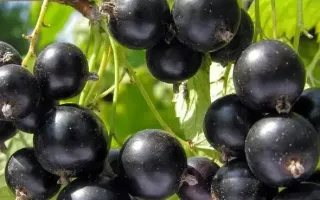
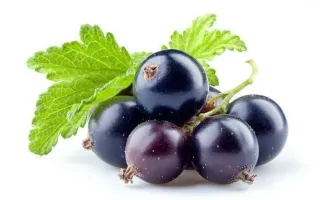
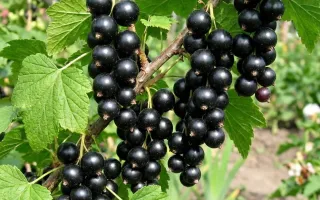
Berries are large (1.2 g), black, shiny, with medium seed content, sour-sweet taste (4.5 points), universal use. Peduncle is of medium length. Chemical composition: dry soluble substances — 15.9%, titratable acidity — 3.1%, ascorbic acid — 226.0 mg/100 g.
Relatively winter-hardy (recovers quickly after slight freezing), self-fertile, resistant to powdery mildew, anthracnose, septoria, and bud mite, average yield 5.0-7.0 kg/plant.
Advantages of the variety: yield, high resistance to fungal diseases and bud mite.
Disadvantages of the variety: requires sheltered areas from winter winds.
Crop & resistance
Crop
Disease resistance
Pest resistance
Specifications
| Type of Sort | |
|---|---|
| Catalog | Catalog → Currant |
Store offers
Prices are updated on loadLoading offers…
Aggregator catalog: prices are collected automatically from store websites, normalized by AI and converted at the current exchange rate. Before ordering, confirm the price and availability on the store's website. This block is not indexed by search engines — the data is loaded after the page opens.
Alternatives
Currants · similar varieties


See also
Often considered together with this variety







Recently viewed
Similar items in this catalog section




Comments · 0