
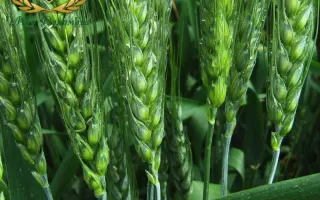

SKU #59781
·
35 views
BASHKIRSKAYA 28
Wheat
User rating
0 votes0% positive reviews
No ratings yet — be the first.
Type of Development
Spring wheat
Wheat Type
Soft wheat variety
Ostistost'
Ostistaya
Seed: mass 1.000 pcs seeds
35-40 grams
About product

Soft spring wheat of the BASHKIRSKAYA 28 variety is a medium-early variety intended for cultivation in forest-steppe zones of the Republic of Bashkortostan. The plant is of medium height with a semi-erect bush and weak straw, ensuring resistance to lodging. The spike is of a pyramidal shape, medium density, white color, with awn-like appendages of medium length. The mass of 1000 grains varies from…
Type of Development
Spring wheat
Wheat Type
Soft wheat variety
Ostistost'
Ostistaya
Seed: mass 1.000 pcs seeds
35-40 grams
Description
Soft spring wheat of the BASHKIRSKAYA 28 variety is a medium-early variety intended for cultivation in forest-steppe zones of the Republic of Bashkortostan. The plant is of medium height with a semi-erect bush and weak straw, ensuring resistance to lodging. The spike is of a pyramidal shape, medium density, white color, with awn-like appendages of medium length. The mass of 1000 grains varies from 31 to 40 grams, the grain is colored. The variety belongs to the lutescens type and is characterized by a medium waxy bloom on the spike and upper internode of the straw. BASHKIRSKAYA 28 has medium drought resistance, which allows for successful cultivation in the region's conditions. The average yield of the variety in the recommended zone is about 20.4 centners per hectare. The variety is moderately resistant to brown rust, but susceptible to powdery and solid head smut, which requires adherence to agrotechnical measures for plant protection. To achieve a high yield, proper fertilization and top dressing in various growth stages, as well as adherence to optimal sowing dates, are recommended. Soft spring wheat BASHKIRSKAYA 28 is widely used in agriculture due to its adaptability to the climatic conditions of the Ural and Volga regions. Despite a less developed root system compared to winter varieties, this variety is well adapted to forest-steppe zones and ensures stable production of high-quality grain. For successful cultivation, it is important to consider agrotechnical features, including pest and disease control, such as mycoses and weeds, which contributes to obtaining maximum yield and high-quality grain.
Crop & resistance
Disease resistance
Specifications hover over for a hint about the specification
| Type of Development | |
|---|---|
|
Wheat Type
Wheat Type
Biologically hard wheat differs from soft wheat in its greater demand for soil fertility and agronomic conditions (especially regarding field cleanliness from weeds), lower drought resistance and plasticity, relatively weaker root development, especially nodal roots, and lower ti... |
|
| Ostistost' | |
| Seed: mass 1.000 pcs seeds | 35-40 grams |
| Resistance to lodging | |
| Potential Yield | 8-9 tons |
| Catalog | Catalog → Wheat |
| Originator | UFRC RAS |
| Originator | Фгбну Уфимский Федеральный Исследовательский Центр Ран |
| Country | Russia |
Store offers
Prices are updated on loadLoading offers…
Aggregator catalog: prices are collected automatically from store websites, normalized by AI and converted at the current exchange rate. Before ordering, confirm the price and availability on the store's website. This block is not indexed by search engines — the data is loaded after the page opens.
See also
Often considered together with this variety



Recently viewed
Similar items in this catalog section


Comments · 0