

Corn root webworm (Crambus caliginosellus)
Crambus caliginosellus
Description
Crambus caliginosellus, commonly referred to as the corn root webworm, is a member of the Crambidae family within the order Lepidoptera. This pest is a significant threat in various agricultural systems, particularly where monoculture practices provide a consistent food supply for the larvae.
The primary crops affected by this species include corn (maize) and tobacco. Young plants are especially susceptible to the larvae, which reside in silk-lined tunnels within the soil or at the base of the stem. The larvae feed on the roots and the basal part of the stem, often resulting in severe crop thinning.
The life cycle involves overwintering as larvae in the soil. Upon the arrival of spring temperatures, the larvae resume feeding, growing rapidly before entering the pupal stage. The timing of adult emergence varies depending on regional climatic conditions, which dictates the windows for pest monitoring and intervention.
The damage caused by Crambus caliginosellus is often characterized by the sudden wilting of the central leaf whorl of the corn plant. Because the larvae girdle the stem at or just below the soil surface, the plant's vascular integrity is compromised, leading to rapid mortality of the seedling.
Effective management strategies require an integrated approach.
- Cultural practices such as clean cultivation to eliminate host weeds.
- Crop rotation to break the pest's reproductive cycle.
- Application of soil-applied insecticides during planting.
- Use of seed treatments to protect the vulnerable germination phase.
Biology
Taxonomy
- Latin name
- Crambus caliginosellus
- Order
- Lepidoptera (butterflies)
- Family
- Crambidae
Taxonomy and Latin: EPPO Global Database · code CRAMCA
Контент-граф
Connections · Corn root webworm (Crambus caliginosellus)
Most often together:
Marketplace
Products · 43
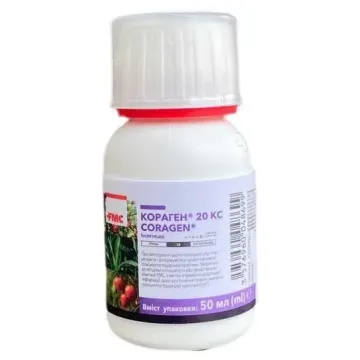
CORAGEN 20, CS
«Дюпон Інтернешнл Оперейшнз Сарл», Швейцарія
Insecticides, Acaricides
0
0
·
50
5 offers
147 €за 1 л
Купить








Community
Discussion
No discussions yet — be the first.