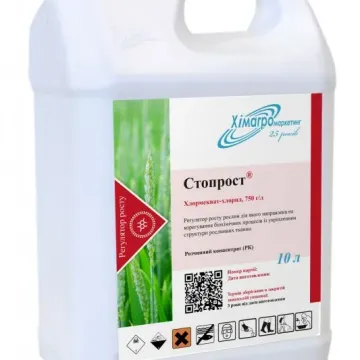
Chlormequat chloride (SSC-720)
Штефес
Plant Growth Regulator
0
0
·
1.6K
11 offers
2.4 €за 1 л
Купить

Common oat (Avena sativa L.) is an annual herbaceous plant belonging to the grass family (Poaceae). It is globally recognized as a vital agricultural crop, appreciated primarily for its nutritional value, which includes high concentrations of beta-glucans, proteins, and essential minerals suitable for both human consumption and livestock feed.
The plant originates from the Eurasian continent, specifically regions that provided cool and moist conditions. Currently, the largest producers are located in temperate regions with reliable rainfall, such as Canada, Russia, and the European Union, where the cool climate prevents premature dehydration and supports full grain development.
Botanically, Avena sativa is characterized by a fibrous root system and an upright hollow stem known as a culm. Its inflorescence is a panicle that carries spikelets. This structure is highly efficient at photosynthesis, allowing the plant to thrive in regions where other cereal grains might struggle due to cooler soil temperatures.
Agronomic management focuses on early sowing to capture spring moisture. Oats are relatively soil-tolerant, performing well in various soil types provided they are not excessively dry or waterlogged. The crop is known for its high water requirements during the tillering and boot stages, making water management a key factor for success.
Maintenance of crop health is essential to prevent yield loss from various biotic stresses. Management strategies must address the following threats: