

Description
Ergot is a significant fungal disease affecting various cereal crops and grasses, caused by the fungus Claviceps purpurea. The pathogen replaces the grain kernel in the host plant's head with a dark, hardened structure known as a sclerotium or "ergot body," which contains potent toxic alkaloids.
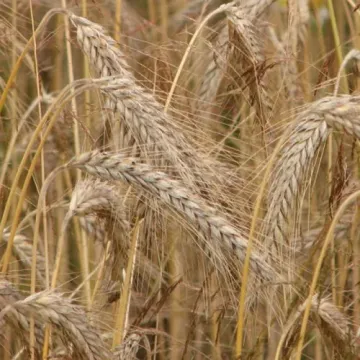
The disease impacts a wide range of important agricultural plants, including rye, winter wheat, winter barley, oats, sorghum, corn, and various wild grasses such as Zizania. Crops with open flowering mechanisms are particularly susceptible, as the fungal spores gain easy access to the flower ovary during the pollination stage.
Initial infection is characterized by the appearance of a sticky, honey-like liquid known as "honeydew," which contains asexual spores and attracts insects. As the season progresses, these infected ovaries develop into visible purple or black sclerotia that protrude from the glumes of the ear, signaling a clear infestation.
The spread of ergot is heavily dependent on environmental conditions, particularly cool, damp weather during the flowering period of the host crop. High humidity levels trigger the germination of sclerotia that have overwintered in the soil, leading to the production of spores that are then dispersed by wind, rain, or insects to neighboring healthy plants.
The impact of ergot is dual: it causes significant yield reduction and poses a severe health risk to both humans and livestock due to the toxic alkaloids contained in the sclerotia. Prevention relies on using certified, ergot-free seeds, practicing crop rotation, performing deep plowing to bury the sclerotia, and managing wild grass populations that act as secondary hosts for the fungus.
Biology
Pathogens and affected parts
Pathogens
Affected plant parts
whole plant
Content graph
Affects crops · 7
Контент-граф
Connections · Ergot
Most often together:
Marketplace
Products · 75

Tercia
Фгбоу Во Красноярский Государственный Аграрный Университет
Soybean
0
0
·
58
6 offers
1.87 €
Купить


RUSHNIK
ФГБНУ Федеральный Аграрный Научный Центр Северо-востока имени Н.В. Рудницкого
Rye
0
0
·
46
1 offer
20.55 €
Купить


Antei
ФГБНУ Федеральный исследовательский центр «Немчиновка»
Triticale
0
0
·
45
4 offers
0.25 €
Купить


MOSCOW 12
ФГБНУ Федеральный исследовательский центр «Немчиновка»
Rye
0
0
·
39
1 offer
275.1 €за 1000 шт
Купить














Community
Discussion
No discussions yet — be the first.