
Description
Wheat streak mosaic is a severe viral disease caused by the Wheat streak mosaic virus (WSMV). This pathogen affects a wide range of cereal crops, interfering with their physiological processes and significantly hindering growth and development, which often results in severe economic losses for agricultural producers.
The primary hosts of this virus are wheat, barley, corn, and various wild grass species. These plants serve as reservoir hosts, allowing the virus to survive throughout the year and providing a source of inoculum that can infect new crops via insect vectors or mechanical transmission in the field.
Symptoms are easily identifiable by the characteristic yellow or light green streaks that run parallel to the leaf veins. In severe cases, the plants exhibit stunted growth, excessive tillering, and distorted leaves. Infected plants may fail to produce grain, or produce small, shriveled seeds, significantly reducing yield.
The disease spread is heavily dependent on the presence of the eriophyid mite vector, which thrives in moderate temperatures. The infection cycle is often fueled by the "green bridge" effect, where volunteer wheat and grassy weeds remain in the field after harvest, allowing both the virus and its vectors to persist.
- Eliminate volunteer crops and weeds prior to planting.
- Select resistant or tolerant crop varieties.
- Adjust planting dates to avoid high activity periods of vectors.
- Implement proper crop rotation strategies.
- Monitor field margins for early signs of infection.
The economic impact of this disease is profound, as there is no chemical cure once a plant is infected. Effective management depends entirely on cultural practices, rigorous sanitation, and the use of resistant germplasm to break the transmission cycle and ensure the health of future harvests.
Контент-граф
Connections · Wheat streak mosaic
Most often together:
Marketplace
Products · 137



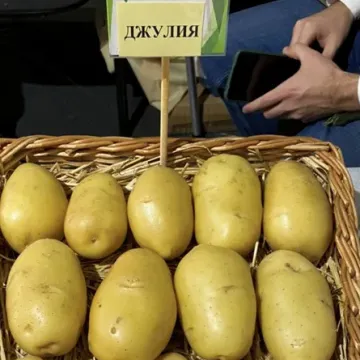


NORTHERN GLARE
Federal Research Center of Potato named after A.G. Lorch
Potato
0
0
·
67
1 offer
2.95 €
Купить


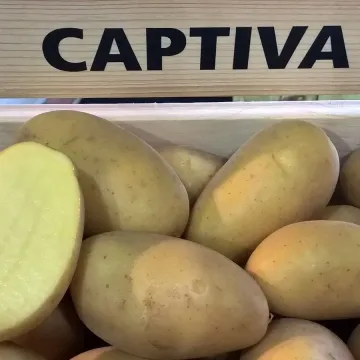
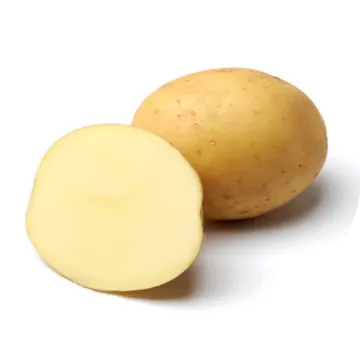




Vektor
Federal Research Center of Potato named after A.G. Lorch
Potato
0
0
·
60
3 offers
0.21 €
Купить





TERSKY
Federal Research Center of Potato named after A.G. Lorch
Potato
0
0
·
54
4 offers
0.31 €
Купить




Community
Discussion
No discussions yet — be the first.