
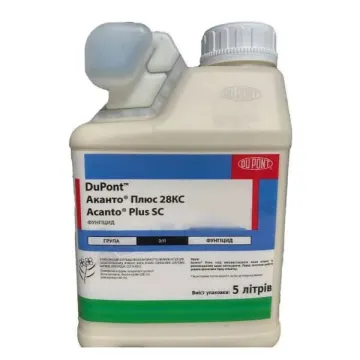
Description
Pyrenophora leaf spot, associated with the pathogen Pyrenophora biseptata, is a common fungal infection affecting small grain cereals globally. This disease is an important factor in agricultural management, as it interferes with the photosynthetic capability of cereal crops, leading to significant yield losses if not monitored correctly during the growing season.
The host range of Pyrenophora biseptata includes various cereal species such as wheat, barley, and rye. The fungus is considered a hemibiotroph, initially surviving on dead plant tissue and debris before infecting healthy green tissues as the season progresses. Its ability to overwinter in soil or stubble makes it a persistent challenge for continuous cropping systems.
The primary symptoms manifest as necrotic lesions on leaf blades, which may initially appear as small spots. As the infection progresses, these spots expand into elongated, irregular shapes, often surrounded by a chlorotic halo. In severe cases, the lesions merge, causing widespread necrosis of the leaves, which significantly limits the plant's ability to fill the grain kernels.
Environmental factors are crucial for the spread of this disease. The fungus thrives in moist, temperate conditions, requiring high relative humidity and regular rainfall for spore dispersal and germination. Optimal infection occurs when temperatures range between 15°C and 25°C, making warm, wet spring and summer periods particularly dangerous for the health of the crop.
- Implement diverse crop rotation to break the pathogen's life cycle.
- Practice effective residue management, including plowing under infested stubble.
- Select resistant or tolerant crop varieties adapted to the local environment.
- Apply preventive or curative fungicide treatments when disease pressure exceeds economic thresholds.
The impact of Pyrenophora biseptata on agriculture is primarily evidenced through reduced yield potential and lower grain quality. By damaging the foliage during the grain-filling stage, the disease reduces the photosynthetic output of the plant, resulting in shriveled grains with lower protein content and poor germination rates, directly affecting the producer's profitability.
Контент-граф
Connections · Pyrenophora leaf spot
Most often together:
Marketplace
Products · 192
All 192
Fungicides 142
Wheat 42
Triticale 3
Herbicides, Desiccants 2
Sugar Beet 1
Plant Growth Regulator 1
Barley 1


Tabs, EV
Hailir Pesticides and Chemicals Group Co., Ltd, Shandong, КНР
Fungicides
0
0
·
42
2 offers
6.9 €за 1 л
Купить

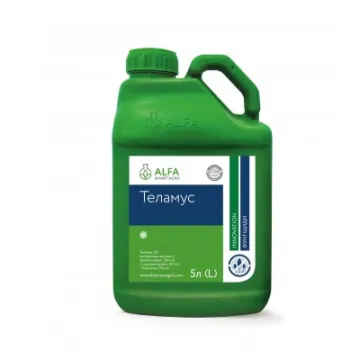


Escaplap
«Нанджин Ессенс Файн-Кемікал Ко. Лтд» (Китай)
Fungicides
0
0
·
37
2 offers
0.4 €за 1 л
Купить


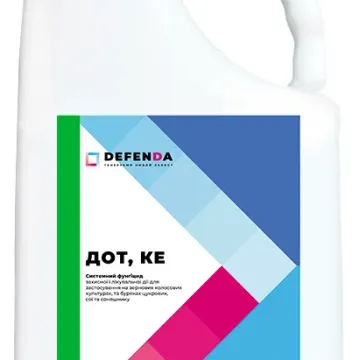


Azox Duo
«Іпрохем (Тіанмен) Ко. Лтд.», Тіанмен, Китай
Fungicides
0
0
·
32
1 offer
13.3 €за 1 л
Купить





Colosal k.e.
ЗАТ Фірма Август, Росія.,селище Вурнари,
Fungicides
0
0
·
29
5 offers
5.9 €за 1 л
Купить


Community
Discussion
No discussions yet — be the first.