

Description
Epoxiconazole is a highly effective systemic fungicide belonging to the triazole chemical class. It is widely recognized in professional agriculture for its superior ability to control a broad spectrum of fungal diseases in cereals and various other row crops, combining strong preventive power with reliable curative properties.
The primary mechanism of action involves the inhibition of ergosterol biosynthesis within the fungal cells. By targeting the C-14 demethylase enzyme, epoxiconazole disrupts the structural integrity of fungal cell membranes. This inhibition effectively halts the development of mycelium and prevents the further spread of fungal spores across the crop canopy.
This active ingredient is predominantly applied to wheat, barley, rye, and sugar beet crops. It provides excellent control against rust diseases (including stem and leaf rust), septoria leaf blotch, powdery mildew, and various net blotches. Its ability to combat complex infections makes it a staple in intensive farming systems.
Regarding application, epoxiconazole is characterized by its high systemic mobility and translocation within the plant tissues. This feature ensures that even parts of the plant that were not directly hit by the spray, or parts that have grown after the application, remain protected against fungal attacks for an extended period.
- Rapid uptake and systemic distribution.
- Effective curative action at early infection stages.
- Resistance management through synergy with other classes.
- Excellent performance under varying environmental conditions.
When handling epoxiconazole, operators must adhere to strict safety protocols, including the use of protective clothing and respirators to prevent inhalation and skin contact. Users should carefully monitor dosage rates to comply with agricultural regulations, minimizing environmental impact while maximizing the fungicide's protective efficiency.
Контент-граф
Connections · Epoxiconazole
Most often together:
Marketplace
Products · 63
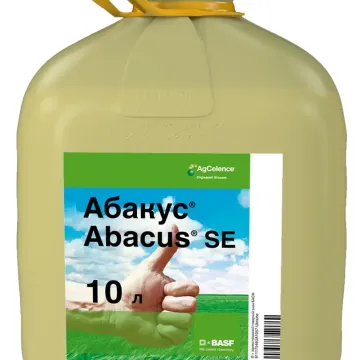


Record Quadro
ТОВ «Фабрика агрохімікатів», Черкаси, Україна
Insecticides, Acaricides
0
0
·
56
6 offers
24.2 €за 1 л
Купить
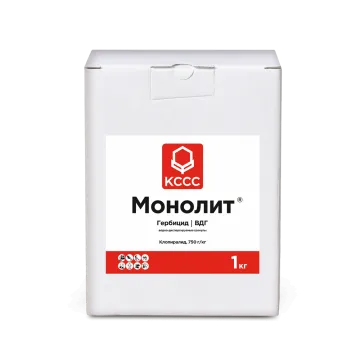
Monolith t.c.s.
«Нанджин Ессенс Файн-Кемікал Ко. Лтд» (Китай)
Insecticides, Acaricides
0
0
·
52
3 offers
28.6 €за 1 л
Купить


Alpha-Epoxil
«Юнісіті Ентерпрайсіс Л.П.», Единбург, Великобританія
Fungicides
0
0
·
47
2 offers
3.2 €за 1 л
Купить


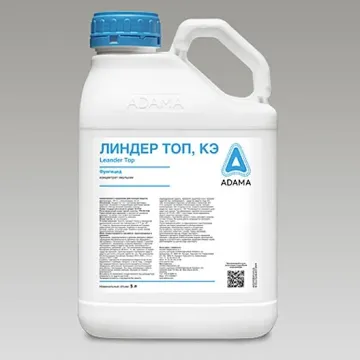

RECORD-TRIO
«Нанджин Ессенс Файн-Кемікал Ко. Лтд» (Китай)
Insecticides, Acaricides
0
0
·
39
4 offers
4.1 €за 1 л
Купить


Rekston
Ф.Суперус Ко ., Лтд., Гонг-Конг, Шанхай, Китай.
Fungicides
0
0
·
37
4 offers
1.4 €за 1 л
Купить


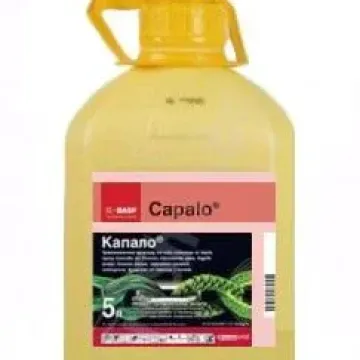


Fabus 497 KS
Фадер Альянс Лтд., Великобританія (Fader Alliance Ltd., England) на заводах Нідерландів, Польщі
Fungicides
0
0
·
29
2 offers
33.3 €за 1 л
Купить



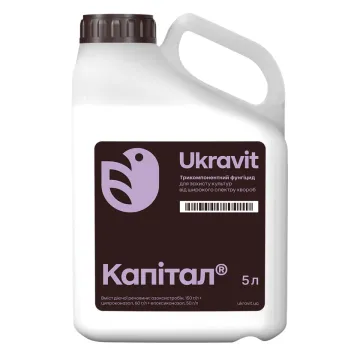
Capital
ТОВ «Фабрика агрохімікатів», Черкаси, Україна
Fungicides
0
0
·
26
4 offers
22 €за 1 л
Купить


Therapist Pro KS
Хімічні заводи «Органіка-Сажина»С.А., Нова Сажина, Польща
Fungicides
0
0
·
24
1 offer
Купить


Spiral
China National Chemical Construction Ningbo Import & Export Co.
Fungicides
0
0
·
53
No offers
—
Details


Spotles
«Shenyang Sciencreat Chemicals Co., Ltd», Shenyang, Liaoning, Китай
Fungicides
0
0
·
38
No offers
—
Details


Afeha
«Shenyang Sciencreat Chemicals Co., Ltd», Shenyang, Liaoning, Китай
Fungicides
0
0
·
34
No offers
—
Details

RECORD-TRIO
ТОВ «Фабрика агрохімікатів», Черкаси, Україна
Herbicides, Desiccants
0
0
·
33
No offers
—
Details

