

Description
Rice blast is a destructive fungal disease caused by the pathogen Pyricularia oryzae (also known as Magnaporthe oryzae). It is considered one of the most significant threats to global food security, as it can drastically reduce grain yields and, in severe cases, cause total crop failure in infected rice fields.
The disease primarily affects rice crops, but it also has the potential to infect other grasses and cereals such as wheat, barley, and millet. The pathogen colonizes various parts of the plant, including leaves, stems, leaf collars, and panicles, essentially attacking the plant at every major growth stage of its development.
Symptoms typically begin as small, white to grayish-green spots on leaves that eventually enlarge into diamond-shaped lesions with brown borders. A critical stage of infection occurs when the neck of the panicle becomes infected (neck blast), leading to the development of sterile, empty, or shriveled grains that significantly lower the quality and quantity of the harvest.
Environmental conditions play a crucial role in the development and spread of rice blast. High humidity, consistent rainfall, and temperatures between 25°C and 28°C are ideal for spore germination and infection. Furthermore, heavy applications of nitrogen fertilizers, which promote dense, lush growth, often increase the susceptibility of plants to the disease.
- Deploying resistant rice cultivars as the first line of defense.
- Practicing proper crop rotation to break the disease life cycle.
- Managing irrigation systems to avoid prolonged periods of water stress.
- Applying fungicides during the critical stages of tillering and heading.
- Ensuring balanced fertilization to avoid excess nitrogen intake.
Контент-граф
Connections · Rice Blast
Most often together:
Marketplace
Products · 89
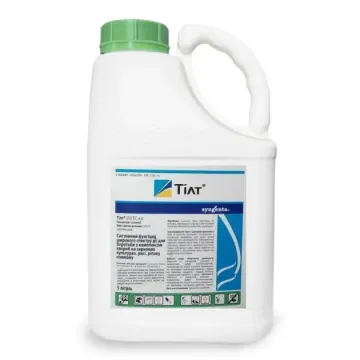
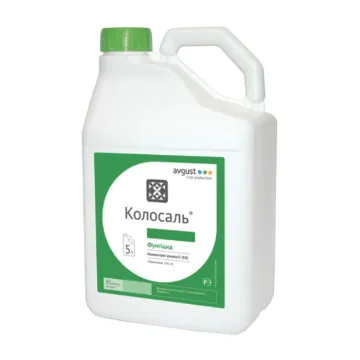


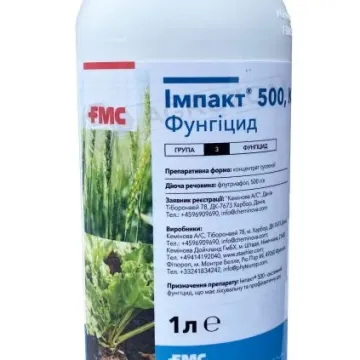








Community
Discussion
No discussions yet — be the first.