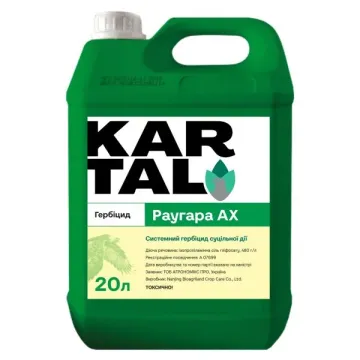
Targa Super
Nissan Chemical Corporation, LLC
Herbicides, Desiccants
1
0
·
3.9K
16 offers
6.3 €за 1 л
Купить

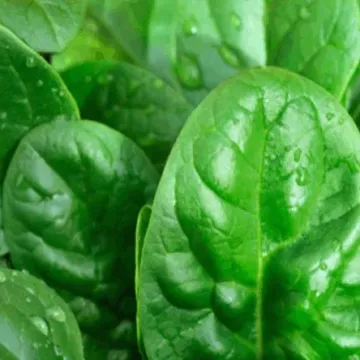
Spinach (lat. Spinacia oleracea L.) is a nutrient-dense herbaceous annual plant belonging to the Amaranthaceae family. Widely recognized as one of the most popular leafy green vegetables, it is grown globally for its high concentration of vitamins, iron, and dietary fibers, serving as a staple in various culinary traditions.
Originating from ancient Persia, spinach has a long history of cultivation and has adapted to a wide range of temperate climates. It is highly valued for its ability to grow in cooler temperatures, making it a critical rotation crop for farmers looking to maximize yield during the spring and autumn growing seasons.
Botanically, spinach grows as a rosette of leaves with varying textures, ranging from smooth to savoyed. As a long-day plant, its development is strictly photoperiod-dependent. When day length increases and temperatures rise, the plant transitions to the reproductive phase, producing a bolting stem that renders the leaves less suitable for commercial harvest.
The agronomic success of spinach depends on providing well-drained, fertile soil rich in organic matter with a nearly neutral pH. The crop is notably sensitive to moisture stress and soil acidity. Consistent irrigation and adequate nitrogen fertilization are essential to maintain the succulent quality of the leaves and prevent premature flowering.
Spinach is used extensively in fresh markets, canning, and industrial freezing. Protecting the crop from biotic stress is a primary concern for growers. Common diseases that impact production include: