
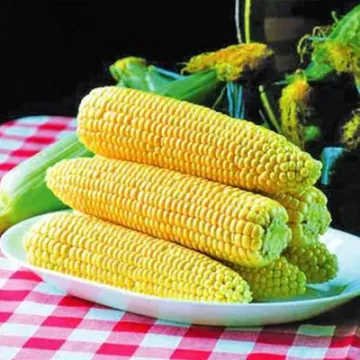
Disease
Especially harmful
Helminthosporium leaf spot of corn
Helminthosporiosis of ears, stems and leaves
Description
Helminthosporium leaf spot, or Northern Corn Leaf Blight, is a destructive fungal disease caused by species of the Bipolaris and Exserohilum genera. It is categorized as a foliage and ear blight, capable of causing significant yield losses by reducing the photosynthetic surface area and damaging the developing cobs.
The primary host for this pathogen is maize (corn). The disease affects leaves, stems, and husks, and in severe cases, it leads to rotting of the ears. This significantly degrades grain quality and can result in the accumulation of mycotoxins, which poses risks to both livestock and human food processing safety.
Symptoms typically manifest as spindle-shaped or elliptical greyish-green lesions that gradually turn tan or brown with age. In high-humidity conditions, the lesions exhibit a dark, velvety layer of spores. If left untreated, the lesions coalesce, causing large sections of leaves to die, which mimics the effect of drought or early plant senescence.
Development and spread of the pathogen are highly dependent on warm temperatures and prolonged leaf wetness. The fungus overwinters in crop debris, and its spores are easily dispersed by wind and rain splashes during the growing season. Early infection of the lower canopy can lead to rapid spread throughout the field during the critical grain-filling period.
Effective management requires an integrated approach to break the disease cycle. This includes planting resistant hybrids, deep plowing to bury infected residues, and crop rotation to reduce inoculum levels in the soil. During the season, prophylactic or therapeutic spraying with systemic fungicides is crucial to minimize economic losses and ensure crop maturity.
Контент-граф
Connections · Helminthosporium leaf spot of corn
Most often together:
Marketplace
Products · 249






Slovyanka
SUPERIOR D.O.O. ZA POLJOPRIVREDNU PROIZVO
Sweet Corn
0
0
·
48
4 offers
0.6 €за 1000 шт
Купить











Community
Discussion
No discussions yet — be the first.