
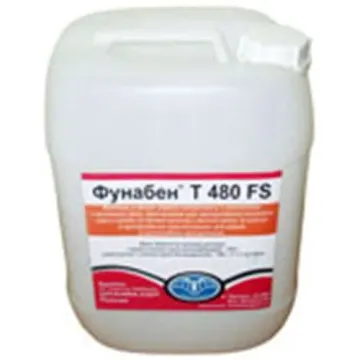
Description
Snow mold is a devastating fungal disease affecting a wide range of plants, caused by various pathogens including those related to the genus Ptychogaster. The disease is most prominent during early spring, immediately after the snow melts, as the cool, wet environment provides the perfect conditions for fungal colonization on dormant or emerging plant tissues.
This pathogen poses a significant threat to various species, including cereal grasses, berry bushes, and ornamental plants. Notable susceptible crops include lingonberry (Vaccinium vitis-idaea) and orchid species like Cattleya. In these plants, the fungus targets weakened stems and leaves, often leading to rapid tissue death if left untreated during the critical spring period.
Symptoms typically manifest as dense, cobweb-like mycelial growth covering the affected area. The color of the mold can range from white to pinkish or grey. As the fungus consumes plant matter, the underlying tissue becomes soft, discolored, and eventually necrotic. This damage can result in thinning patches in fields or complete mortality of individual ornamental specimens.
The development and spread of the disease are driven by environmental factors, most notably excessive moisture and moderate cold (0–10°C). Snow cover acting as insulation allows the fungus to remain active throughout the winter months, slowly colonizing the host plant. Poor drainage and lack of sunlight further exacerbate the severity of the infection.
Effective management requires a proactive approach. Key prevention strategies include ensuring proper soil drainage, avoiding late-autumn nitrogen fertilization which encourages soft growth, and clearing debris from planting sites. For susceptible crops like Cattleya and lingonberry, targeted applications of systemic fungicides in late autumn are highly recommended to prevent overwintering of the pathogen.
Biology
Pathogens and affected parts
Affected plant parts
whole plant
Content graph
Affects crops · 2
Контент-граф
Connections · Snow mold
Most often together:
Marketplace
Products · 286
All 286
Rye 92
Fungicides 76
Wheat 50
Triticale 34
Insecticides, Acaricides 7
Fescue 6
Festuolium 4
Bentgrass 4
Cranberry 3
Barley 2
Ryegrass 2
Herbicides, Desiccants 2


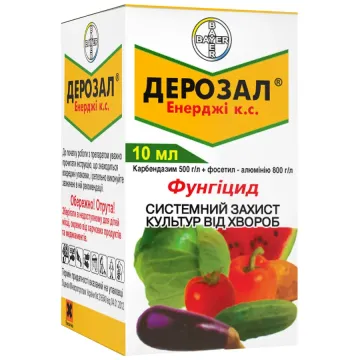




Fundazim
ТОВ «Фабрика агрохімікатів», Черкаси, Україна
Fungicides
0
0
·
1.8K
9 offers
14.6 €за 1 л
Купить
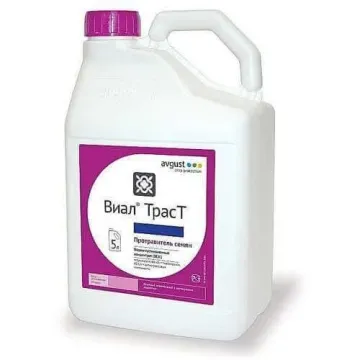

Forsaj 500 SC
China Chemical Industrial & Rice Co. Ltd
Fungicides
0
0
·
1.5K
6 offers
1.6 €за 1 л
Купить
Lametil WP
Nanjing No.1 Pesticide Factory of Red Sun Group Co., Ltd.
Fungicides
0
0
·
1.4K
2 offers
1.8 €за 1 л
Купить

Arbalet
Хімічні заводи «Органіка-Сажина»С.А., Нова Сажина, Польща
Fungicides
0
0
·
1.4K
4 offers
16 €за 1 л
Купить


Orus Universal Es
F. Macteshim Chemical Works, LLC
Fungicides
0
0
·
1.3K
6 offers
11.5 €за 1 л
Купить


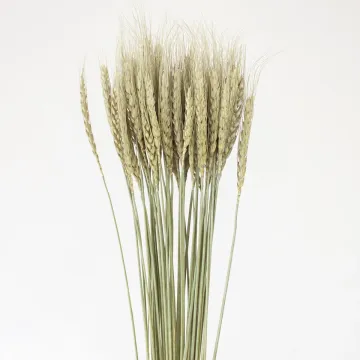



Vitadel
Три Дельта Компані Інтернешнл, Гонконг, Китай.
Fungicides
0
0
·
533
9 offers
3.3 €за 1 л
Купить



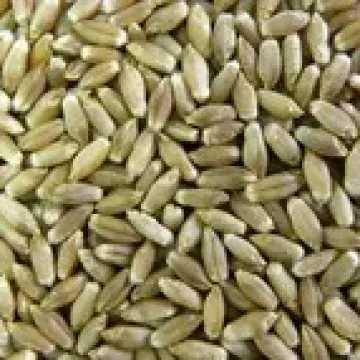
OMSKAYA
OMSK STATE AGRARIAN UNIVERSITY NAMED AFTER P.A. STOLYPIN
Triticale
0
0
·
61
5 offers
15.93 €
Купить




Tercia
Фгбоу Во Красноярский Государственный Аграрный Университет
Soybean
0
0
·
58
6 offers
1.87 €
Купить


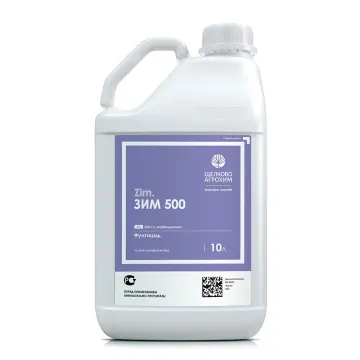
Carbendazim 500 (Carbendazim 500)
GLOBAL CHEMICAL GROUP, LLC
Fungicides
0
0
·
54
5 offers
2.6 €за 1 л
Купить


Community
Discussion
No discussions yet — be the first.