

Description
Aphanomyces root rot is a severe soil-borne disease caused by oomycetes of the genus Aphanomyces, most notably Aphanomyces euteiches. This pathogen specifically targets the roots of plants, causing decay and preventing the uptake of water and essential nutrients. It is considered one of the most destructive diseases in legume production globally.
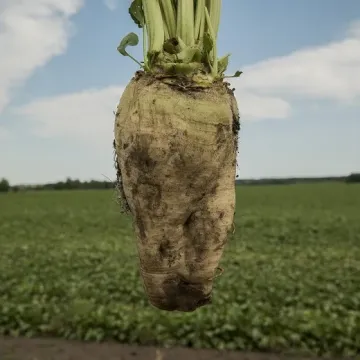
The host range of Aphanomyces includes several important crops, particularly those in the legume family and certain vegetables. Key plants affected include field peas, alfalfa, lentils, fodder beets, and spinach. The pathogen's ability to infect multiple species complicates management in diversified crop rotations.
Early symptoms of infection involve water-soaked lesions on the roots, which eventually turn light brown and progress to dark, necrotic decay. Above-ground symptoms are characterized by stunted growth, chlorosis (yellowing) of lower leaves, and wilting during periods of moisture stress. In severe cases, the entire root system may collapse, leading to crop failure.
The disease thrives in wet, saturated soil conditions. The pathogen produces motile zoospores that swim through soil water to infect host roots, as well as long-lived oospores that can survive in the soil for years. Consequently, poor drainage and high soil moisture levels are the primary drivers of localized outbreaks and long-term field contamination.
Prevention is the primary strategy for managing Aphanomyces, as there are few effective chemical controls available. Key recommendations include:
- Extended crop rotations, avoiding host crops for 6 to 8 years in infested fields.
- Improving soil drainage to eliminate standing water.
- Utilizing resistant or tolerant cultivars when available.
- Ensuring proper soil fertility to help plants cope with stress.
Biology
Pathogens and affected parts
Pathogens
Affected plant parts
root
Content graph
Affects crops · 5
Контент-граф
Connections · Aphanomyces root rot
Most often together:
Marketplace
Products · 66






Community
Discussion
No discussions yet — be the first.