

Description
Loose smut of wheat is a destructive fungal disease caused by the pathogen Ustilago tritici. Unlike other smut diseases, the fungus infects the wheat plant systemically during the flowering stage, establishing itself within the embryo of the developing seed. The plant appears healthy throughout its vegetative growth until the emergence of the head.
The disease primarily affects wheat crops, including common bread wheat and durum wheat. The pathogen survives in the form of dormant mycelium within the seed embryo. When the infected seed is planted, the fungus resumes growth along with the seedling, colonizing the growing point of the plant.
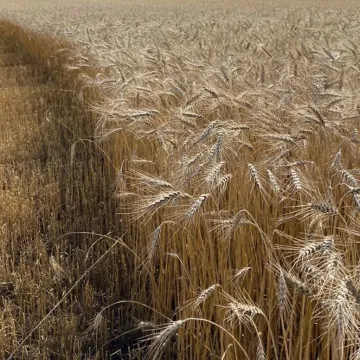
The symptoms become visible at the heading stage. The infected spikes emerge earlier than the healthy ones, and the floral parts are replaced by a mass of dark brown to black teliospores. The membrane surrounding these spores ruptures easily, allowing the wind to disseminate the spores to healthy flowers, thereby continuing the disease cycle.
Environmental conditions play a critical role in the development of the disease. High humidity and moderate temperatures (approximately 18–22 °C) during the wheat flowering period are ideal for spore germination and infection of the ovary. Rainfall during this time significantly increases the incidence of the disease.
The economic impact of loose smut is substantial, as it leads to the complete loss of grain in the infected heads. Severe infections can drastically reduce overall crop yield and quality.
- Use certified, pathogen-free seeds for planting.
- Apply systemic fungicides to seeds as a preventive treatment.
- Implement crop rotation to break the disease cycle.
- Cultivate resistant wheat varieties to minimize the risk of infection.
Контент-граф
Connections · Loose smut of wheat
Most often together:
Marketplace
Products · 259


OMGAU 100
ФГБОУ ВО Омский государственный аграрный университет имени П.А. Столыпина
Wheat
0
0
·
53
3 offers
234 046.5 €за 1000 шт
Купить


MOSCOW 39
ФГБНУ Федеральный исследовательский центр «Немчиновка»
Wheat
0
0
·
42
1 offer
6.02 €
Купить
NIVA 55
OMSK STATE AGRARIAN UNIVERSITY NAMED AFTER P.A. STOLYPIN
Wheat
0
0
·
41
3 offers
0.37 €
Купить



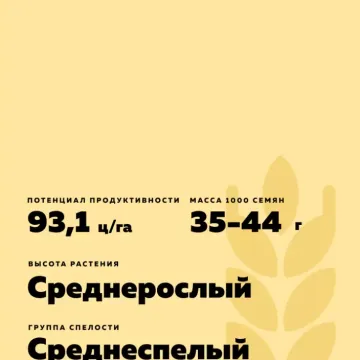


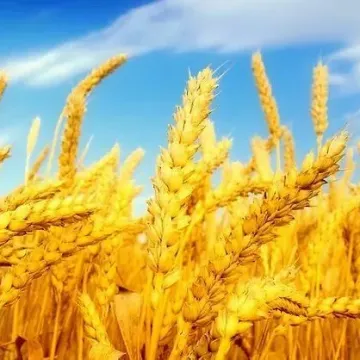


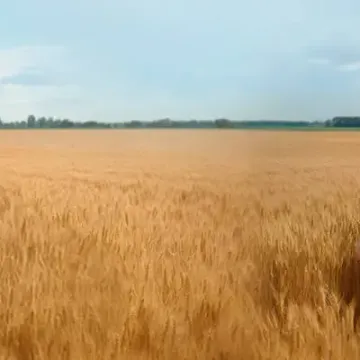


Chainmail
LLC scientific-production agrofirm "Zemlerob"
Wheat
0
0
·
37
2 offers
54 730 €за 1000 шт
Купить
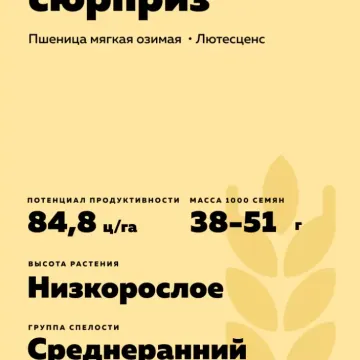









PRIOKSKAYA
ФГБНУ Федеральный исследовательский центр «Немчиновка»
Wheat
0
0
·
32
1 offer
183.12 €
Купить
Community
Discussion
No discussions yet — be the first.