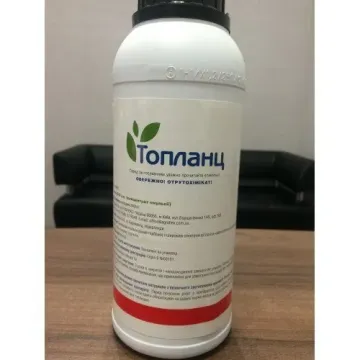
Stomp 330
БАСФ Агро БВ, Швейцарія, на заводі , Франція,Італія (Сієна)
Herbicides, Desiccants
7
3
·
10.8K
14 offers
13.2 €за 1 л
Купить

Garlic (Allium sativum L.) is a perennial herbaceous crop belonging to the Amaryllidaceae family (subfamily Allioideae). It is a globally significant crop, valued for its culinary versatility, medicinal properties, and high concentration of organosulfur compounds, which provide its characteristic aroma and health benefits.
The origin of garlic is traced back to Central Asia. Through centuries of human intervention, it has been adapted to a wide range of climatic conditions, extending from temperate zones to subtropical regions. Cultivars are typically categorized as hardneck or softneck types, as well as winter or spring varieties, depending on their specific growth cycles and dormancy requirements.
Botanically, the garlic bulb is a composite structure consisting of numerous cloves protected by papery tunics. The root system is shallow and fibrous, making the plant highly responsive to irrigation regimes and soil structure. Optimal growth requires well-drained, fertile, loamy soils with a pH between 6.0 and 7.5, as excessive moisture leads to physiological disorders and root decay.
Successful garlic cultivation relies on rigorous agronomic practices, including precise planting depth, optimal spacing, and the selection of virus-free planting stock. Proper fertilization strategies, focusing on nitrogen during early growth and phosphorus-potassium ratios during bulb bulking, are essential for achieving maximum yield potential and good storage quality.
The industrial use of garlic spans the food sector, spice trade, and pharmaceutical industry. However, crops are often threatened by various fungal and bacterial pathogens. Growers must monitor and manage the following diseases: