

Description
Rootlet rot is caused by the oomycete Globisporangium rostratum, a soil-borne pathogen formerly identified within the Pythium genus. It acts as a facultative parasite, targeting the root systems of various plants by invading the cortical tissues and destroying the fine root hairs essential for nutrient uptake.
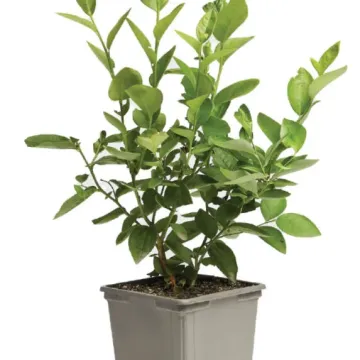
The pathogen has a very wide host range, attacking numerous vegetable and woody species. It is particularly damaging to Citrus crops, where it causes significant decline in root architecture, ultimately leading to poor tree vigor, reduced fruit quality, and increased susceptibility to other environmental stressors.
Diagnostic symptoms include the browning and softening of rootlets, which often become slimy to the touch. Above-ground symptoms are typically non-specific, characterized by wilting, chlorosis, stunted growth, and canopy thinning. As root destruction progresses, the plant exhibits signs of severe water stress, especially during high-temperature periods.
The development of the disease is strictly linked to moisture levels. Globisporangium rostratum thrives in waterlogged or poorly drained soils, which promote the motility of its zoospores. These spores move through soil water films to reach new roots, while durable oospores ensure the pathogen survives adverse conditions for many seasons.
Effective management requires a combination of cultural and chemical strategies focused on root health:
- Maintaining optimal soil drainage and aeration to inhibit oomycete mobility.
- Applying strict hygiene practices to prevent the introduction of the pathogen via irrigation water or contaminated tools.
- Using biological control agents such as Trichoderma species to suppress pathogen growth.
- Targeted application of fungicides specifically labeled for soil-borne oomycete control in professional nurseries.
Biology
Pathogens and affected parts
Affected plant parts
whole plant
Content graph
Affects crops · 1
Контент-граф
Connections · Rootlet rot
Most often together:
Marketplace
Products · 570
All 570
Wheat 124
Tomato 109
Corn 88
Cucumber 58
Tulips 26
Sugar Beet 23
Onion 22
Raspberry 11
Raspberry, Strawberry 9
Blueberry 7
Vegetable Pea 6
Lucerne 6








Florida Elyana
Florida Foundation Seed Producers
Raspberry, Strawberry
0
0
·
47
13 offers
0.3 €за 1000 шт
Купить








Community
Discussion
No discussions yet — be the first.