
Description
Common bunt, also known as stinking smut, is a serious fungal disease caused by species of the genus Tilletia, specifically Tilletia caries and Tilletia laevis. It predominantly affects wheat crops, including winter wheat, and can occasionally be found on other small grains like rye. It is a seed-borne and soil-borne disease that can significantly diminish crop yields.
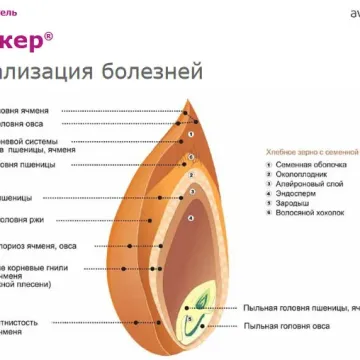
The infection cycle begins during the germination phase of the host plant. Teliospores, which persist on the seed surface or in the soil, germinate simultaneously with the host seed. The fungal hyphae penetrate the young seedling and grow systemically within the plant, following the apical meristem up to the head, where it replaces the grain tissues with mass spores.
Symptoms are typically not visible until the grain maturation stage. Infected plants may exhibit stunted growth or a bluish-green tint, but the most distinctive sign is the replacement of grain kernels with bunt balls. These balls contain a mass of black teliospores that release a characteristic fishy odor due to the presence of trimethylamine when ruptured.
The development of the fungus is heavily influenced by environmental conditions during planting. Cool, moist soil conditions with temperatures ranging from 5°C to 15°C are ideal for spore germination and infection. Factors such as deep seeding depth or slow emergence of the crop can prolong the exposure of seedlings to the pathogen, increasing the infection rate.
The economic impact is twofold: yield loss and grain quality degradation. During harvesting, the fragile bunt balls break, releasing spores that contaminate the healthy grain. This contamination is known as "smutty grain," which is often rejected at grain elevators due to the foul odor, discoloration, and potential health risks associated with the spores.
Effective management relies on a multi-faceted approach. The most critical strategy is the application of fungicide seed treatments, which provide systemic protection during the initial germination phase. Other preventative practices include the use of disease-free, certified seed, avoiding deep sowing in cool soil, and implementing proper crop rotation cycles to minimize soil-borne inoculum levels.
Biology
Pathogens and affected parts
Pathogens
Tilletia horrida· fungus
Common pea· fungus
Tilletia barclayana· fungus
Tilletia ajrekarii· fungus
Tilletia pennisetina· fungus
Tilletiacaries· fungus
Tilletiacaries tritici· fungus
Tilletiacaries laevis· fungus
Tilletiacaries foetida· fungus
Tilletia indica· fungus
Tilletia caries· fungus
Tilletia tritici· fungus
Affected plant parts
whole plant
Content graph
Affects crops · 4
Контент-граф
Connections · Common bunt
Most often together:
Marketplace
Products · 486
All 486
Wheat 262
Fungicides 116
Triticale 39
Barley 36
Oats 17
Insecticides, Acaricides 5
Corn 3
Sorghum 2
Rye 1
Sweet Corn 1
Clover 1
Vika 1

Vitavax 200 FF
Crompton (Uniroyal Chemical) Registration Limited
Fungicides
1
0
·
4.1K
7 offers
6.3 €за 1 л
Купить



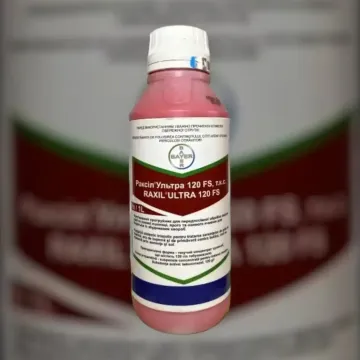
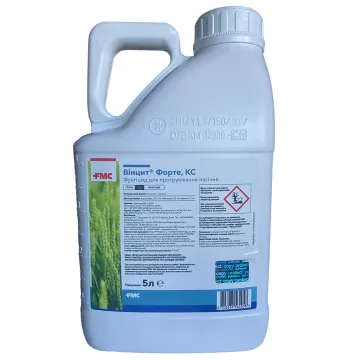

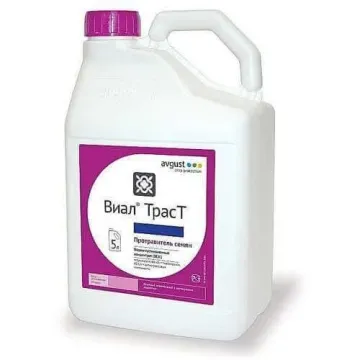

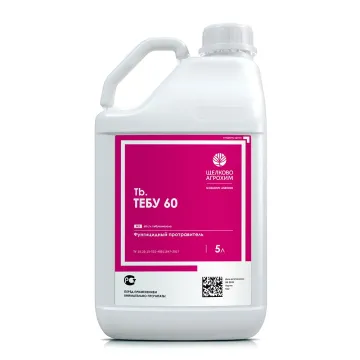

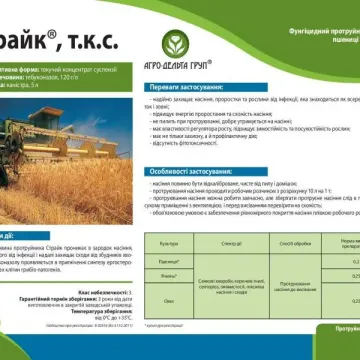
Strike
Три Дельта Компані Інтернешнл, Гонконг, Китай.
Fungicides
0
0
·
1.3K
2 offers
1.4 €за 1 л
Купить


Sarfun 500 SC
Хімічні заводи «Органіка-Сажина»С.А., Нова Сажина, Польща
Fungicides
0
0
·
1.2K
1 offer
26.7 €за 1 л
Купить


Tebuzan Ultra
Jiangsu Agricoem Laboratory Co., Ltd.
Fungicides
0
0
·
821
14 offers
9.1 €за 1 л
Купить

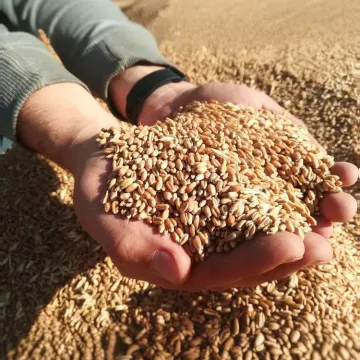
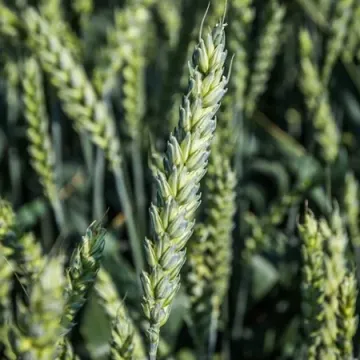

Trust
Superus Co., Ltd., Китай, Yangzhou Pioneer Chemical Co., Ltd., Китай
Fungicides
0
0
·
610
6 offers
6.3 €за 1 л
Купить


Serticor 050 FS t.c.s.
Сингента Агро С.А.С., Сант Пьер ла Гарен, Франція
Fungicides
0
0
·
60
3 offers
11.4 €за 1 л
Купить






Community
Discussion
No discussions yet — be the first.