
Disease
Especially harmful
Septoria glume blotch
Septoria glume blotch
Description
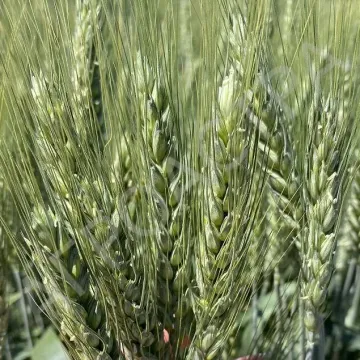
Septoria glume blotch, caused by the fungus Parastagonospora nodorum, is a destructive disease affecting wheat crops globally. It primarily attacks the glumes and rachis, but can also severely impact leaf tissues, significantly compromising the plant's health during critical stages of development.
The disease thrives in warm and wet environmental conditions. Spores of the fungus are dispersed by rain splashes and wind from infected crop residues or contaminated seeds. Once the pathogen colonizes the head, it continues to multiply rapidly whenever humidity remains high, leading to widespread infection across the field.
The first symptoms are characterized by small, dark, or water-soaked spots on the glumes, which eventually turn grayish-brown. Over time, these lesions develop visible black pycnidia (fruiting bodies), which are essential for the survival and further spread of the fungus throughout the growing season.
The economic impact of Septoria glume blotch is severe, as it directly reduces grain yield and test weight. Infected kernels are often shriveled and possess lower protein content, which negatively affects the market value and milling quality of the harvested wheat grain.
Integrated management is essential for effective control. This includes crop rotation, removal of infected plant debris, and the selection of disease-resistant wheat varieties. Furthermore, timely application of fungicides during the boot stage and anthesis is a standard practice to prevent the pathogen from causing major crop losses.
- Utilization of certified, fungicide-treated seeds.
- Maintaining a proper crop rotation cycle to break the disease cycle.
- Balanced fertilization to avoid excessive foliage growth.
- Regular scouting for symptoms during the flag leaf emergence.
Контент-граф
Connections · Septoria glume blotch
Most often together:
Marketplace
Products · 82















Retardin EW, EV
China Chemical Industrial & Rice Co. Ltd
Fungicides
0
0
·
28
3 offers
8.8 €за 1 л
Купить




Community
Discussion
No discussions yet — be the first.