
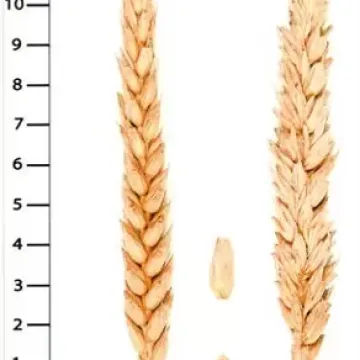
Antei
ФГБНУ Федеральный исследовательский центр «Немчиновка»
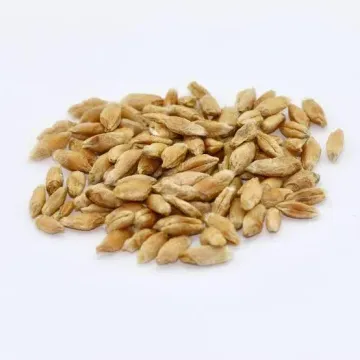
Triticale
0
0
·
45
4 offers
0.25 €
Купить

Puccinia spp.
Stem rust is a devastating fungal disease of cereal crops caused by the pathogen Puccinia graminis. As an obligate parasite, this fungus relies entirely on its host plant to complete its life cycle. The disease is known for its ability to produce massive quantities of spores, which can lead to rapid and widespread infection throughout agricultural fields if not managed properly.
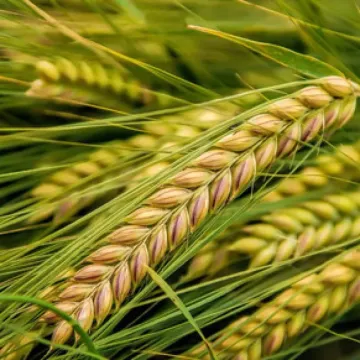
The pathogen primarily attacks major cereal crops, posing a constant threat to food security. Specifically, it heavily affects winter wheat, rye, and winter barley. These crops are susceptible at various stages of their growth, and the severity of the outbreak depends largely on environmental conditions and the resistance profile of the cultivated varieties.
The symptoms of the disease appear as elongated, rust-colored pustules on stems, leaf sheaths, and spikes. As the fungal spores mature, they rupture the host's epidermis, leaving shredded tissues. By the end of the season, these pustules transition into a black stage, which consists of hardy resting spores that allow the fungus to persist in the environment under adverse conditions.
Environmental conditions play a crucial role in disease development and propagation. Stem rust thrives in warm temperatures, typically between 15°C and 25°C, combined with high humidity or frequent rainfall. The airborne nature of the urediniospores allows them to travel hundreds of kilometers on wind currents, enabling the disease to spread across continents and trigger sudden epidemics.
The economic impact of stem rust is severe due to its ability to cause massive yield losses. By colonizing the stem tissues, the fungus diverts essential nutrients and water away from the developing grain. This results in shriveled kernels, poor grain quality, and significantly reduced test weight. In severe cases, the weakened stems may collapse, making mechanical harvesting nearly impossible.
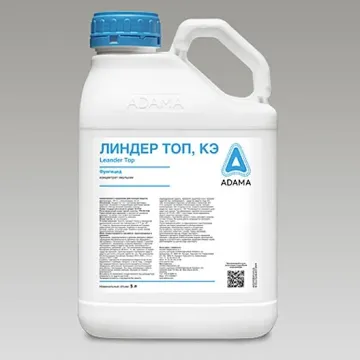
Effective management requires an integrated approach to minimize risks:
















No discussions yet — be the first.