Description
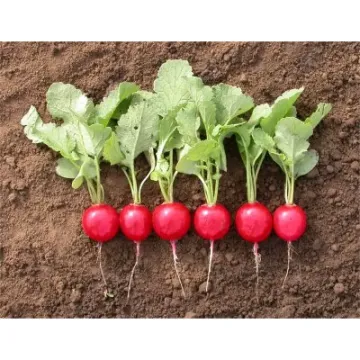
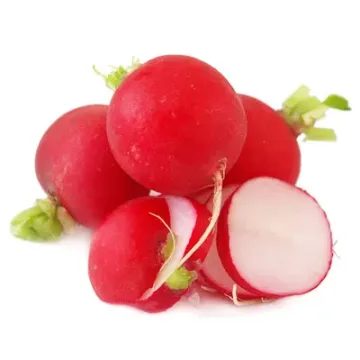
Radish (Raphanus sativus L.) is an annual or biennial plant belonging to the Brassicaceae family. It is a popular root vegetable cultivated globally for its rapid growth cycle and crisp, peppery flavor. It is a staple early-season crop that thrives in cool weather conditions, making it an excellent choice for market gardening and home production.
The origin of radish is traced back to Southeast Asia. Today, it is grown in various climates, although it performs best in temperate regions with sufficient moisture. Radishes prefer a mild climate and are sensitive to extreme heat, which can cause the plants to bolt, producing flowers instead of high-quality roots. It is a long-day plant, which influences its timing for commercial production.
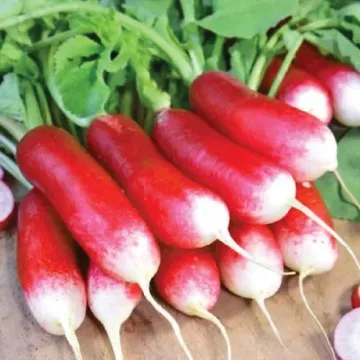
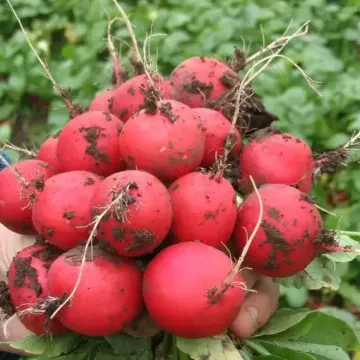
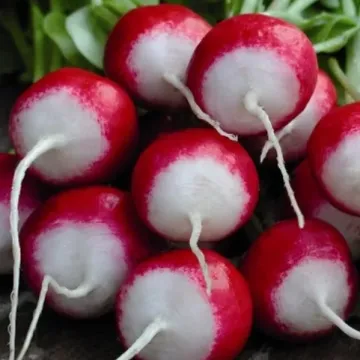
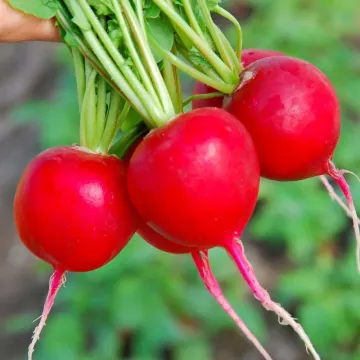
From a botanical perspective, the radish develops a fleshy taproot that varies in shape, size, and skin color depending on the cultivar. It requires well-drained, fertile soil with a neutral pH level. Proper site preparation is essential to prevent root deformation and ensuring that the soil is loose enough to allow the taproot to develop smoothly without obstruction.
Effective agrotechnical practices focus on consistent hydration. Uneven water supply leads to cracked roots or excessive pungency. Furthermore, adequate spacing is crucial to prevent competition for nutrients and light. Regular weeding is necessary in the early stages, as the plant is not very competitive against rapid-growing weeds in the initial growth phase.
Crop protection is a vital component of radish management due to susceptibility to soil-borne and fungal pathogens. Known diseases that can significantly reduce yields include:
- Alternaria leaf spot and Anthracnose
- Verticillium wilt and Sclerotinia rot
- Gray mold (Botrytis) and Southern blight
- Common scab and Nematode infestations
Content graph
Crop diseases · 31
Alternaria leaf spotAnthracnoseAwl nematodeBacterial leaf spotBacterial soft rotBlack rootBlack rotCauliflower mosaicCercospora leaf spotClubrootCommon scabCrown gallDowny mildew, stagheadDowny mildew of maize and sorghumFusarium wiltGray moldLate blightPhomaPhoma stem cankerPink rootPlant YellowsPowdery mildewRadish mosaicRingspotRoot-knot nematodeSclerotinia rotSouthern blightTurnip mosaicVerticillium wiltWhite leaf spot and gray stemWhite rust
Контент-граф
Connections · Radish
Most often together:
Marketplace
Products · 117


Manual five-row seeder for small-seed crops SMK-5
Growth, NVPP
Mechanization
10
4
·
6.3K
4 offers
0.54 €
Купить

Targa Super
Nissan Chemical Corporation, LLC
Herbicides, Desiccants
1
0
·
3.9K
16 offers
6.3 €за 1 л
Купить