
Disease · fungal · affects Alfalfa, Arabica coffee, Asparagus
Especially harmful
Cercospora leaf spot
Cercospora
Description
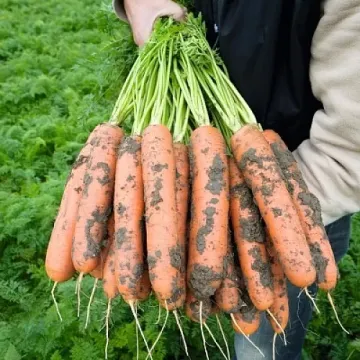
Cercospora leaf spot is a destructive fungal disease caused by various species of the Cercospora genus. This pathogen affects a wide range of agricultural crops, including sugar beets, onions, garlic, peanuts, asparagus, and brassicas like rapeseed, causing significant damage to leaf foliage.
The primary symptom of this disease is the appearance of small, circular to irregular spots on the leaves. These spots usually feature necrotic centers, which may turn light brown or gray, surrounded by a dark brown or reddish-purple border. In humid environments, a fuzzy, dark-colored mass of spores develops on the surface of the lesions.
The disease thrives in warm, humid conditions, particularly when leaf wetness duration is prolonged by rain, dew, or irrigation. The pathogen overwinters in crop debris, infested soil, and seeds. Spores are then dispersed via wind, splashing rain, or movement of equipment during the growing season to susceptible host plants.
The economic impact is primarily due to the severe loss of photosynthetic leaf area. When infection levels are high, leaves turn chlorotic, wither, and drop prematurely. This stress inhibits plant development, leading to significantly reduced yields and diminished quality of the final harvest, such as stunted root or bulb size.
Integrated disease management is essential for control. This includes crop rotation with non-host species, thorough removal or deep burial of plant residues, and the use of certified pathogen-free seeds. Preventive or curative fungicide applications using chemicals like triazoles or strobilurins are standard practice in high-risk areas to minimize damage.
- Onion and garlic
- Peanuts and asparagus
- Fodder beet
- Rapeseed and Indian mustard
- Turnip
Biology
Pathogens and affected parts
Pathogens
Cercospora· fungus
Cercospora gerberae· fungus
Cercospora medicaginis· fungus
Cercospora asparagi· fungus
Cercospora hayi· fungus
Cercospora canescens· fungus
Cercospora caracallae· fungus
Cercospora phaseoli· fungus
Cercospora albida· fungus
Cercospora beticola· fungus
Cercospora minuta· fungus
Cercospora apii· fungus
Affected plant parts
leafstemwhole plantfruitearseed
Content graph
Affects crops · 50
AlfalfaArabica coffeeAsparagusAzaleaBananaBarberton daisyBilberryBleeding heart vineBrown mustardCarpathian bellflowerCassavaChristmas CactusClaw cactusCommon beanCommon hopCommon pearCongo coffeeCottonFodder beetFuchsiaGarden verbenaGarlicIndustrial hempLentilLettuceOnionPapayaPassiflora L.PeaPeachPeanutPotatoRadishRed cloverRed raspberryRiceRoseRyeSafflowerSorghumSoybeanSpinachStrawberrySugar CaneSweet PepperSweet potatoTobaccoTurnipWatermelonWinter rapeseed
Контент-граф
Connections · Cercospora leaf spot
Most often together:
Marketplace
Products · 77














Community
Discussion
No discussions yet — be the first.